Pay in installments of $6.14 with
 ,
,
 and
and

Shipping Estimate
USA
- USA
- CAN
- USA
- CAN
Ships within 48 hours · Estimated delivery Jul 23 - Jul 28
 Promo Codes Available:
For Your Every Summer RSVP, with Code: SUMMER15
Description
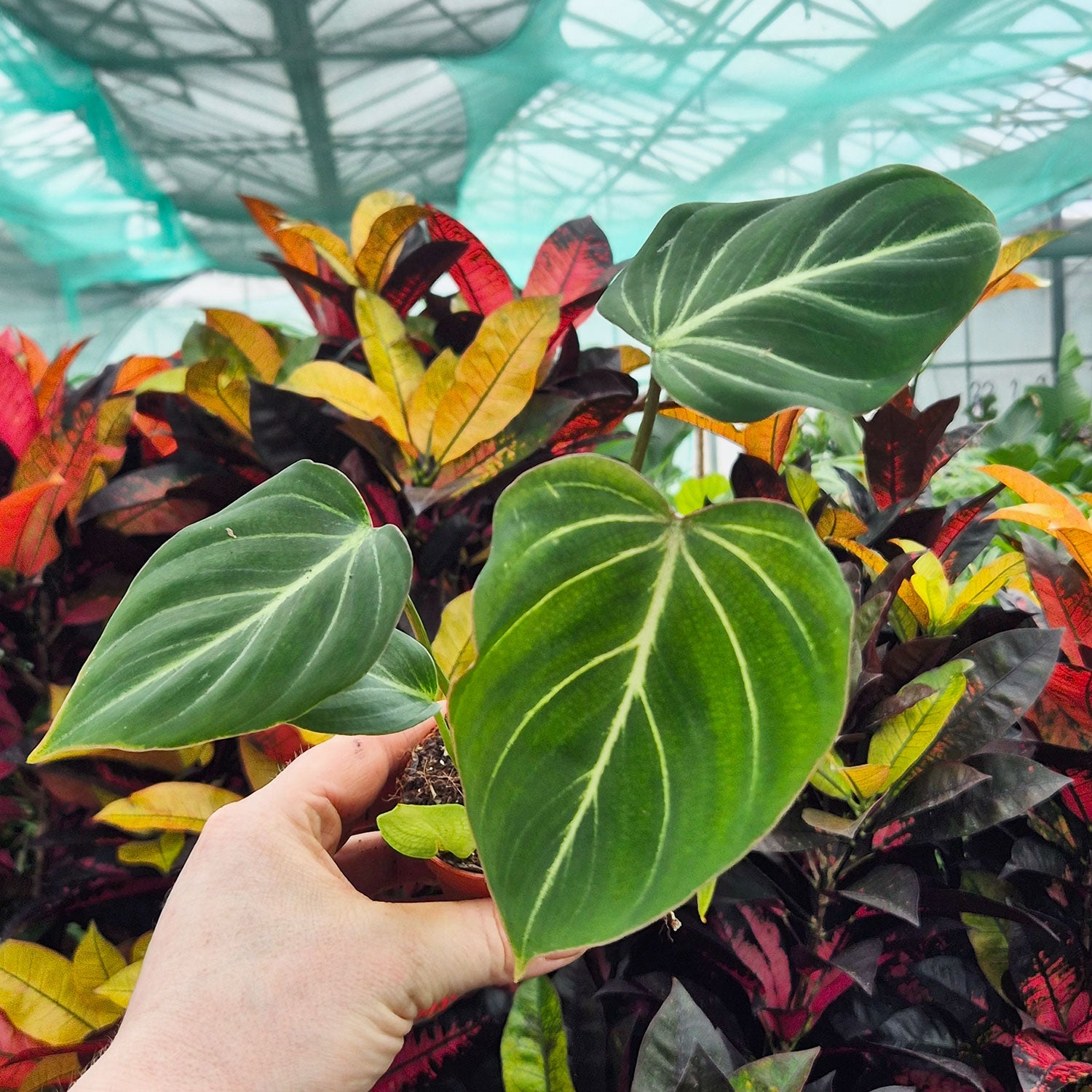
philodendron gloriosum leaf size Philodendron Gloriosum House Plant 6cm Pot – Plants For All SeasonsPhilodendron gloriosum is one of the most iconic and coveted tropical aroids, celebrated for its enormous, heart shaped, velvety green leaves and striking white veins. A member of the Araceae family and native to the humid rainforests of Colombia, this terrestrial (ground creeping) species stands out for its bold, luxurious foliage and elegant growth habit. Unlike most Philodendrons, which climb, Philodendron gloriosum grows horizontally, creeping
Philodendron gloriosum is one of the most iconic and coveted tropical aroids, celebrated for its enormous, heart-shaped, velvety green leaves and striking white veins. A member of the Araceae family and native to the humid rainforests of Colombia, this terrestrial (ground-creeping) species stands out for its bold, luxurious foliage and elegant growth habit.
Unlike most Philodendrons, which climb, Philodendron gloriosum grows horizontally, creeping along the soil surface and producing large leaves on short petioles. Each leaf is a deep, emerald green with a soft, velvety texture and prominent creamy-white or silvery veins that create a stunning contrast. Mature specimens can produce leaves over 60 cm wide under ideal conditions, forming an extraordinary display of tropical beauty.
Graceful, sculptural, and deeply dramatic, Philodendron gloriosum is the crown jewel of any indoor plant collection — a statement of refinement and botanical luxury.
Philodendron gloriosum – Care Guide
Light
Thrives in bright, indirect light. It can tolerate medium light, but lower light will result in slower growth and smaller leaves. Avoid direct sunlight, which can scorch the delicate velvet surface. Filtered light through sheer curtains or an east-facing window is ideal.
Watering
Keep the soil lightly moist but never waterlogged. Water when the top 2–3 cm of soil feels dry to the touch. Overwatering can lead to root rot, especially given its creeping rhizome. In winter, reduce watering slightly to match slower growth. Always ensure excellent drainage.
Temperature and Humidity
Temperature: Prefers warmth between 18–28 °C; avoid temperatures below 15 °C. Protect from cold drafts and sudden fluctuations.
Humidity: High humidity (60–80%) helps maintain large, healthy leaves and prevents crispy edges. Mist regularly, use a humidifier, or place near other tropical plants to boost ambient moisture.
Soil and Potting
Use a well-draining, airy aroid mix — compost combined with perlite, orchid bark, coco coir, and sphagnum moss provides the perfect structure. Philodendron gloriosum prefers a wide, shallow pot to accommodate its creeping rhizome. Repot every 1–2 years in spring, gently repositioning the rhizome so new growth can continue forward.
Feeding
Feed every 4–6 weeks during spring and summer with a diluted, balanced liquid fertiliser or one formulated for foliage plants. Avoid over-fertilising, which can damage roots or cause leaf edge burn. Suspend feeding during autumn and winter when growth slows.
Pruning and Maintenance
Trim off any older or yellowing leaves near the base to maintain a tidy appearance and redirect energy to new growth. Wipe leaves gently with a soft, damp cloth to remove dust and highlight their velvety sheen. Rotate occasionally to ensure even light exposure.
Growth and Maturity
A slow to moderate grower, Philodendron gloriosum can spread up to 1 metre across under ideal conditions. Each new leaf emerges larger than the last, gradually developing deeper colour and more defined venation. Its horizontal growth habit and enormous leaves make it best suited to display on low plant stands or wide surfaces.
Common Issues
-
Yellowing leaves: Overwatering or poor drainage.
-
Brown edges: Low humidity or inconsistent watering.
-
Small leaves: Insufficient light or nutrients.
-
Pests: Occasionally affected by thrips, mealybugs, or spider mites — treat promptly with neem oil or insecticidal soap.
Background and Benefits
Native to the tropical rainforests of Colombia, Philodendron gloriosum grows along the forest floor, where filtered light, high humidity, and rich soil provide perfect growing conditions. Its creeping rhizome allows it to spread horizontally, absorbing moisture and nutrients as it moves across the jungle floor.
In cultivation, it has become one of the most admired species for its velvety texture, bold venation, and commanding leaf size. Symbolically, Philodendron gloriosum represents strength, patience, and quiet power — fitting for a plant that exudes elegance without climbing.
Quick Care Summary
-
Light: Bright, indirect light; avoid direct sun
-
Water: Keep soil evenly moist; allow top few cm to dry
-
Temperature: 18–28 °C; avoid below 15 °C
-
Humidity: High (60–80%)
-
Soil: Airy, well-draining aroid mix – compost, perlite, bark, coco coir, moss
-
Feed: Every 4–6 weeks in spring/summer
-
Growth: 1 m wide; horizontal creeping plant with large, velvety green leaves and white veins
⚠️ Toxicity note: Toxic to pets and humans if ingested; may cause mild mouth and skin irritation.
Styling Tip
Display Philodendron gloriosum in a wide, shallow pot or decorative trough to accommodate its creeping growth habit. Its velvety, heart-shaped leaves make it perfect as a low centrepiece or floor plant in bright, humid spaces such as living rooms or conservatories. Pair with upright plants like Philodendron ‘Imperial Green’ or Anthurium clarinervium for contrast and height variation. For an elevated tropical aesthetic, place it against darker walls or in matte ceramic planters to accentuate its dramatic, glowing veins.
Shipping Notes
- Free Standard Shipping on $100+ Orders to the USA.
- Except Preorder products are shipped in 48 hours.
- Delivery to the USA:
- Standard Shipping : 3-10 business days
- If time is of the essence, please consider selecting expedited delivery for faster service.
Exchange/Return Notes
- We offer a 30-day return/exchange service after receiving.
- Final sale items are not eligible for returns or exchanges.
- To process your return/exchange, please contact us at [email protected]
- Please click here for more details>>> Return & Exchange Policy