Pay in installments of $5.90 with
 ,
,
 and
and

Shipping Estimate
USA
- USA
- CAN
- USA
- CAN
Ships within 48 hours · Estimated delivery Jul 22 - Jul 27
 Promo Codes Available:
For Your Every Summer RSVP, with Code: SUMMER15
Description
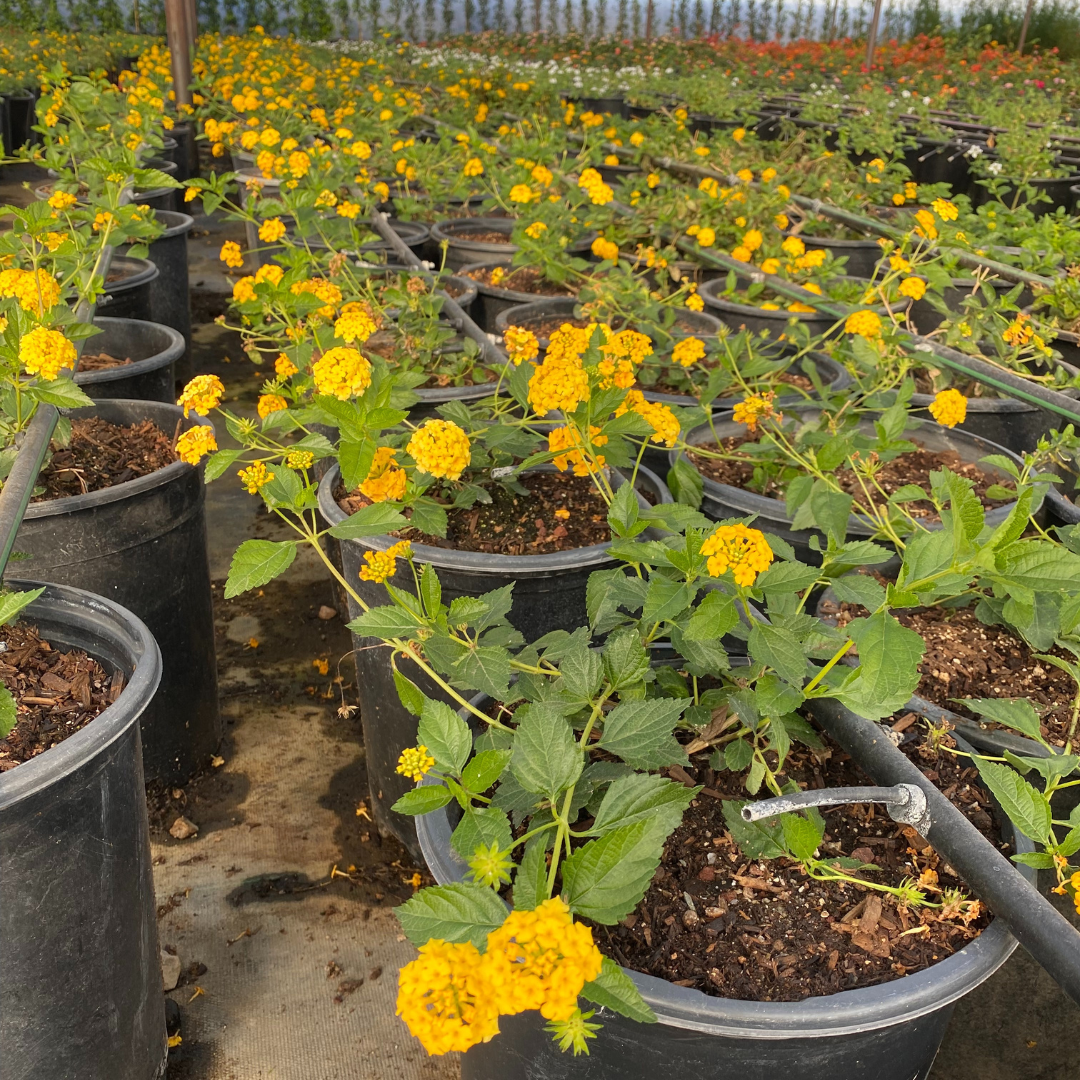
golden nanmu pot plant Buy Gold Mound Lantana Phoenix, AZ | Lantana camaraNon Stop Golden Blooms for Phoenix Gold Mound Lantana Lantana camara 'Gold Mound' is one of the hardest working flowering groundcovers in the Phoenix Valley. This low growing perennial produces a carpet of bright golden yellow flowers from early spring through late fall often blooming 9+ months of the year in our warm climate. Growing just 1824 inches tall but spreading 46 feet wide, Gold Mound Lantana is practically indestructible in Arizona heat,
Non-Stop Golden Blooms for Phoenix — Gold Mound Lantana
Lantana camara 'Gold Mound' is one of the hardest-working flowering groundcovers in the Phoenix Valley. This low-growing perennial produces a carpet of bright golden-yellow flowers from early spring through late fall — often blooming 9+ months of the year in our warm climate. Growing just 18–24 inches tall but spreading 4–6 feet wide, Gold Mound Lantana is practically indestructible in Arizona heat, thrives on minimal water, and attracts butterflies by the dozen. Whether you're filling a sunny slope in Scottsdale, edging a pool deck in Chandler, or covering bare ground in Mesa — Gold Mound Lantana delivers relentless color with almost zero maintenance.
Gold Mound Lantana Plant Details
| Attribute | Detail |
|---|---|
| Scientific Name | Lantana camara 'Gold Mound' |
| Common Names | Gold Mound Lantana, Yellow Lantana, Golden Lantana |
| Mature Height | 18–24 inches |
| Mature Width | 4–6 feet |
| Growth Rate | Fast — fills in quickly, reaching full spread in 1 season |
| Sun | Full sun (6+ hrs). Thrives in reflected heat from walls and concrete. |
| Water | Very low once established. Extremely drought-tolerant. |
| USDA Zones | 8–11 (Phoenix is Zone 9b–10a) |
| Soil | Well-draining. Adapts to Arizona caliche soils and poor ground. |
| Foliage | Semi-evergreen in Phoenix — may thin briefly in coldest weeks |
| Bloom Season | March through November (9+ months in Phoenix) |
| Bloom Color | Bright golden-yellow |
| Wildlife | Major butterfly attractor; deer resistant |
Gold Mound Lantana Uses in Phoenix Landscapes
Groundcover & Slope Stabilization
Gold Mound Lantana's spreading 4–6 foot habit makes it one of the best groundcovers for Phoenix landscapes. Plant on slopes, berms, and bare areas where you need fast, colorful coverage. Space plants 3–4 feet apart and they'll merge into a continuous golden carpet within one growing season. The dense growth suppresses weeds and stabilizes soil on hillsides throughout Gilbert, Tempe, and Peoria.
Pool & Patio Border
The low 18–24 inch height is perfect for bordering pool decks and patios without blocking views. Gold Mound Lantana handles the reflected heat from pool concrete and pavers that kills most plants, and it won't drop messy leaves or flowers into the water. Its cheerful yellow blooms create a resort-like atmosphere around pools in Scottsdale and Paradise Valley.
Butterfly & Pollinator Gardens
Few plants attract butterflies as reliably as lantana. Gold Mound is a magnet for painted ladies, monarchs, and swallowtails throughout the Phoenix bloom season. Combine with Christine Lantana (orange-pink), Desert Marigold, and Butterfly Bush for a pollinator paradise in Glendale and Mesa that stays colorful from spring through fall.
Best Time to Plant Gold Mound Lantana in Phoenix
Spring (March–April) is the ideal planting window — warm soil triggers immediate root growth and the plant takes off fast. Fall (October–November) also works well, giving roots time to establish before winter dormancy. Gold Mound Lantana is tougher than most perennials and can even handle summer planting if you stay on top of watering for the first few weeks.
How to Plant Gold Mound Lantana
- Dig wide, not deep — 2–3x the root ball width, same depth
- Check for caliche — break through any hardpan layer for drainage
- Backfill with native soil — lantana thrives in poor soil and needs no amendments
- Spacing — 3–4 ft apart for groundcover; 4–5 ft for individual mounds
- Water basin — build a shallow ring for initial establishment watering
- Mulch — 2–3 inches of gravel or bark mulch to retain moisture during establishment
Watering Gold Mound Lantana in Phoenix
First Year Watering Schedule
- Weeks 1–2: Every 1–2 days, deep and slow (15–20 min)
- Month 1–2: Every 3–4 days
- Month 3–6: Every 7–10 days
- After Year 1: Every 14–21 days summer; minimal to no water in winter
Drip Irrigation
Place 1–2 emitters 12–18 inches from the base, each delivering 1–2 GPH. Established Gold Mound Lantana is one of the most drought-tolerant flowering plants in Arizona — it genuinely thrives on neglect. Overwatering actually reduces blooming and can cause leggy, floppy growth.
How fast does Gold Mound Lantana grow in Phoenix?
Very fast — expect a 1-gallon plant to reach its full 4–6 foot spread within a single growing season. It's one of the quickest-filling groundcovers available for Phoenix landscapes.
Does it bloom all year in Phoenix?
Nearly — Gold Mound typically blooms from March through November, giving you 9+ months of golden flowers. It may slow down or go semi-dormant during the coldest weeks of December and January, then bounces back quickly in spring.
Is Gold Mound Lantana toxic to pets?
Lantana berries can be toxic to dogs and cats if ingested in significant quantities. The flowers and foliage have low toxicity but can cause mild stomach upset. If you have pets that chew on plants, consider placing lantana in areas they don't frequent.
How do I prune Gold Mound Lantana?
Give it a hard cutback to 6–8 inches in late February before spring growth begins. This removes winter-damaged wood and encourages dense, bushy new growth with heavier blooming. You can also lightly shear during the growing season to keep it compact.
You May Also Like
- Christine Lantana — orange-pink lantana that pairs beautifully with Gold Mound
- Yellow Bells — larger yellow-flowering shrub for background planting
- Desert Marigold — golden wildflower groundcover for naturalistic designs
- Green Euryops Daisy — another yellow-flowering perennial for sunny borders
- African Daisy — colorful daisy groundcover for Phoenix landscapes
How Many Gold Mound Lantana Do I Need?
As a wide, fast groundcover, Gold Mound is planted by area rather than in rows. Space plants about 3.5 feet on center (each covers roughly 12 square feet) and they knit into a solid golden carpet in one season. On slopes or for quicker fill, tighten to 3 feet. Use the coverage table below to estimate plant counts.
| Area to cover | Plants needed (about 3.5 ft on center) |
|---|---|
| 50 sq ft | 4 plants |
| 100 sq ft | 8 plants |
| 200 sq ft | 16 plants |
| 300 sq ft | 25 plants |
Gold Mound Lantana Season-by-Season in Phoenix
- Spring (Mar to Apr): Bloom explodes and the plant fills fast, making this the prime planting window. A hard cutback to 6 to 8 inches in late February sets up the heaviest flush.
- Summer (May to Sep): Peak performance in extreme and reflected heat, blooming right through the monsoon on very little water. Butterfly traffic is heaviest now.
- Fall (Oct to Nov): Keeps flowering into November and offers a solid second planting window as the heat eases.
- Winter (Dec to Jan): Goes semi-dormant. A light frost can nip the foliage below about 28 F, but the roots are hardy in the Valley and rebound in spring. Leave the old growth on for frost protection, then cut back in late February.
At a Glance
✔ Pollinator-Friendly ✔ Heat-Loving (Reflected-Heat Tolerant) ✔ Drought-Tolerant ✔ Pool-Friendly (Low-Litter) ✔ Low-Maintenance ✔ Deer & Rabbit-Resistant ✔ Cold-Hardy to 15°F
Plant It With
- Arizona Yellow Bells: taller yellow-flowering shrub for the background behind the carpet.
- Desert Marigold: golden native wildflower for a naturalistic, all-yellow drift.
- Green Euryops Daisy: another long-blooming yellow perennial for sunny borders.
- Desert Ruellia: purple flowers for cool contrast against the gold.
Is Gold Mound Lantana Right for Your Yard?
It thrives in full sun, reflected heat, and fast-draining soil with room to spread 4 to 6 feet wide, all on very little water. Not a fit for shady or soggy spots, and worth placing away from areas used by pets that chew on plants, since the berries can be toxic if eaten.
Shipping Notes
- Free Standard Shipping on $100+ Orders to the USA.
- Except Preorder products are shipped in 48 hours.
- Delivery to the USA:
- Standard Shipping : 3-10 business days
- If time is of the essence, please consider selecting expedited delivery for faster service.
Exchange/Return Notes
- We offer a 30-day return/exchange service after receiving.
- Final sale items are not eligible for returns or exchanges.
- To process your return/exchange, please contact us at [email protected]
- Please click here for more details>>> Return & Exchange Policy